

While Apple's September event introduced some great new hardware, one thing that was missing was a foldable iPhone. One of the key benefits of foldable technology is the reduced space the device takes up when not in use, while providing a larger surface area in unfolded mode when needed. The technology finally appears to be proving popular with consumers, considering Samsung recently confirmed the latest Galaxy Z Fold and Flip 3 phones broke sales records.
Apple has a history of lagging behind its competitors in terms of innovations. The iPhone 11 Pro Max, for example, launched in 2019 boasting an enlarged 6.5-inch display, something that was commonplace for years before with other companies. Other features that Apple seemed to take longer to add include fast charging and dual cameras. Both of which were also available on Android phones for years before they arrived on iPhone. Water resistance, OLED displays, the removal of a home button, and 5G support all also appeared as features on Android devices prior to Apple adopting them.
While a foldable iPhone was not unveiled, the iPhone 13 series was announced at the event and bragging some impressive features. The new camera system on the iPhone 13 Pro and Pro Max models saw a massive upgrade including an f/1.5 aperture, which improves natural bokeh and lets in more light. The ultra-wide camera also improved dramatically, with an f/1.8 aperture resulting in a 92-percent improvement in low-light situations. The Pro models can also take longer range photos thanks to a 77-millimeter lens, and offer three times the zoom of the previous versions. While camera upgrades are always welcome, the inclusion of a folding iPhone would have added a 'wow' factor and stood out far more than any of the hardware products that were announced on the day.
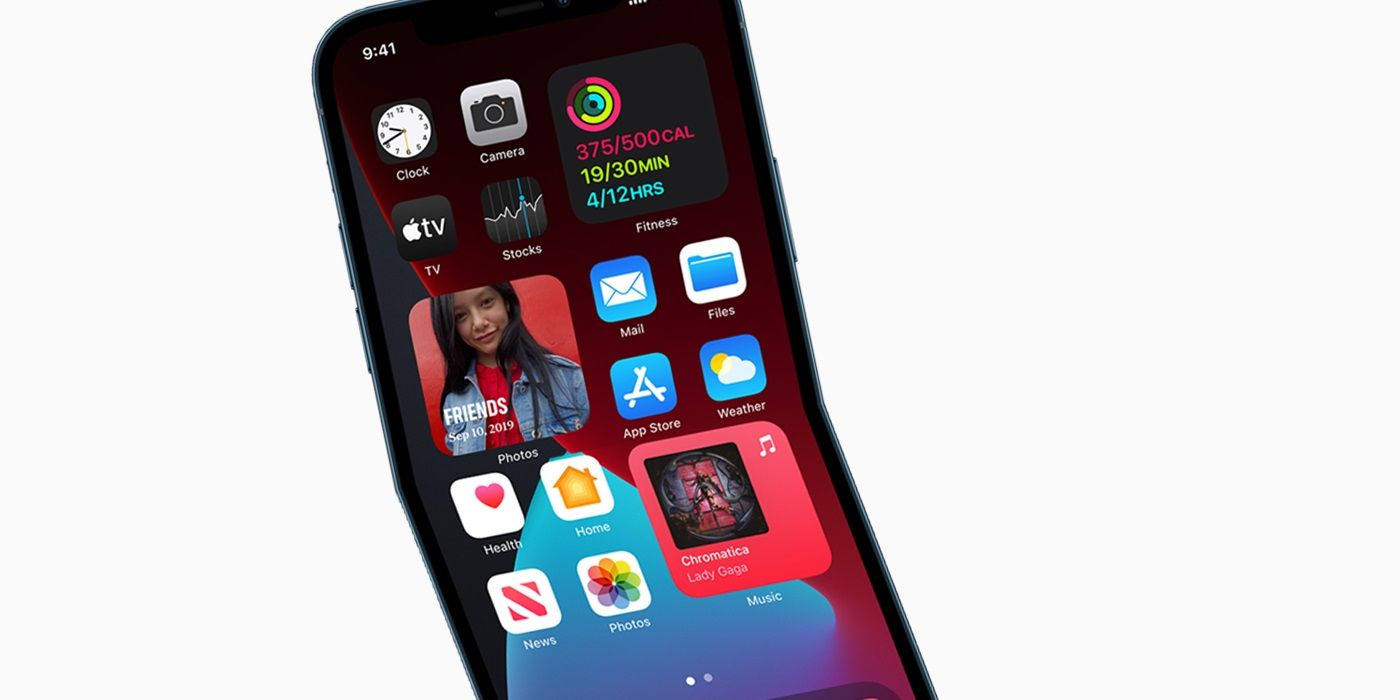
Due to Apple's slower approach to releasing features and its emphasis on quality control, when the company does add new technologies, they typically tend to work quite well. For example, when a new feature arrives on an iPhone, it usually just works without any major faults or bugs. While the occasional software bug could be easily ignored and patched, any error with hardware as important as a foldable hinge could be disastrous. The rocky start Samsung and Motorola had with their foldables being easy to break is evidence of this, and something Apple likely wants to avoid. If that means waiting much longer to announce and release an iPhone Fold, Apple is probably fine with that decision.
Some analysts expect a foldable iPhone won't arrive until 2023 or 2024 at the earliest. Predictions that further make one being announced any time soon all the more unlikely. For those interested in a new iPhone in the meantime, the latest iPhone 13 series looks worthy of consideration. While they might not fold like the latest from Samsung, Apple has packed them full of improvements and upgrades, and especially in the camera department.
Source: Apple
from ScreenRant - Feed https://ift.tt/2VVvhLG



0 Comments